
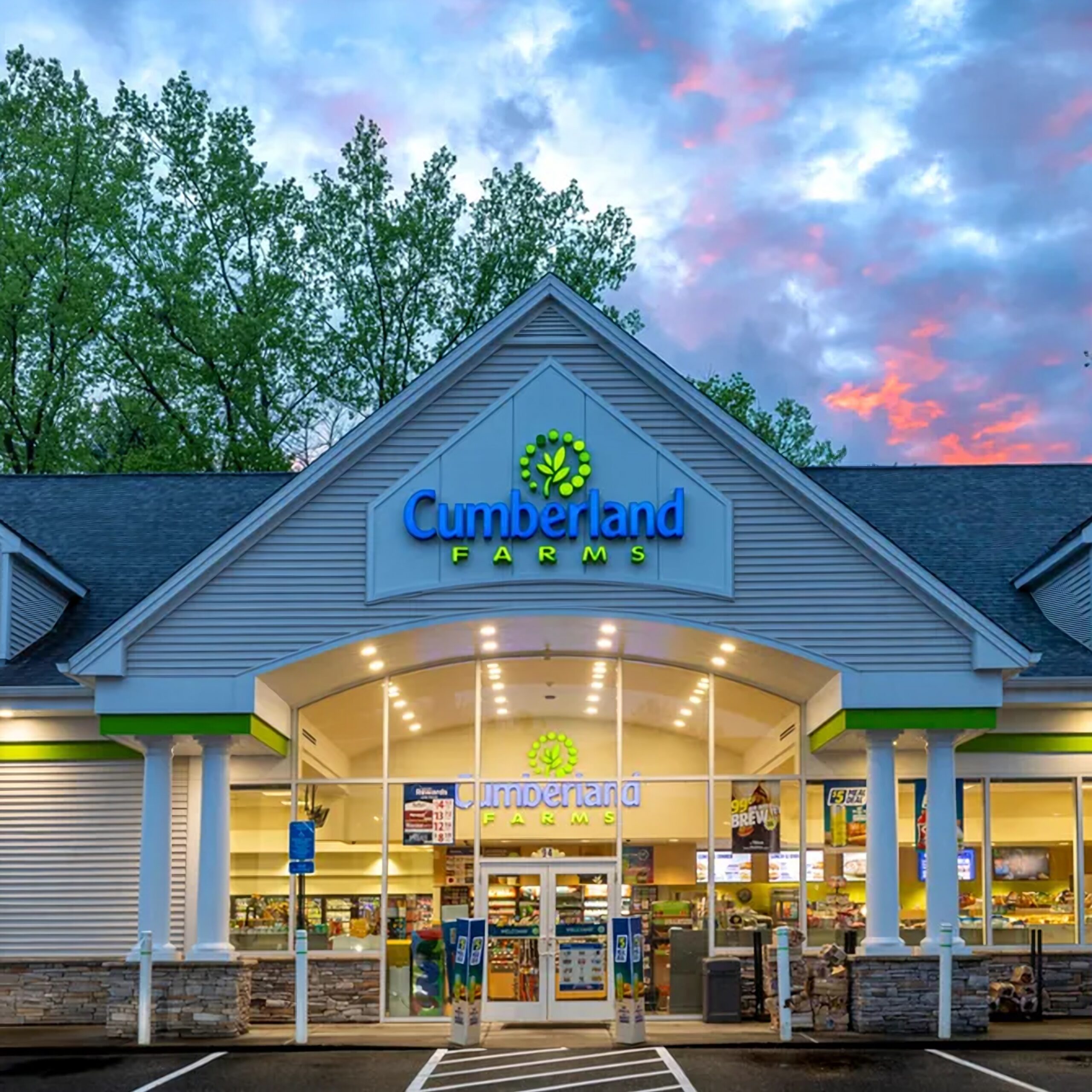
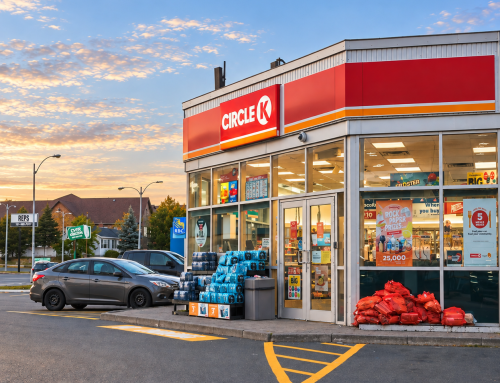
Circle K parent Alimentation Couche-Tard has offered between $7.5 billion and $8 billion for Cumberland Farms, the convenience-store operator formerly known as EG Group. The Times of London first reported the bid, and Reuters confirmed it. The offer comes in below the roughly $9 billion valuation Cumberland Farms was targeting for its planned Nasdaq IPO under the ticker “CMBY.”
Cumberland Farms filed for its U.S. IPO in July. Reports say it still wants to go public, but it has also reportedly pushed the listing back after receiving takeover interest, and the Financial Times says an IPO is unlikely before 2027. Neither company has commented publicly on the offer.
Both companies would bring a lot to a combined business. Couche-Tard is the No. 2 c-store chain in the U.S. by store count, behind 7-Eleven. It runs nearly 17,300 stores in 27 countries and territories, and about 13,200 of them sell fuel. Cumberland Farms is No. 6 on CSP’s 2026 Top 202 list, with about 1,460 U.S. stores in 24 states and more than 3,240 sites across the U.S. and Europe. Its U.S. footprint grew again in June when it bought Pennsylvania-based Coen Markets, which added 54 c-stores and 20 dealer sites.
The bid continues a busy year of deals for Couche-Tard. It agreed in July to acquire Poland’s Żabka Group for $8.6 billion, and in October it reached a deal to buy Irving Oil retail assets in Quebec and Ontario. Couche-Tard withdrew its bid for 7-Eleven parent Seven & i in 2025, so Cumberland Farms would be its largest U.S. expansion opportunity since then.
What a deal could mean for net lease real estate:
- Sale-leasebacks: Operators often fund large acquisitions by selling their real estate to REITs and leasing it back, which keeps their balance sheets from taking on too much debt. Cumberland Farms has done this before. In 2023, EG sold more than 400 U.S. stores to Realty Income in a $1.5 billion sale-leaseback that pays $103 million a year in rent. A deal of this size could bring another round of owned real estate to market.
- Antitrust divestitures: Circle K and Cumberland Farms overlap in several markets, including parts of the Northeast and Florida, so the FTC would likely look closely at the deal. Couche-Tard has been through this before: in 2024 the FTC required it to divest 35 fuel stations in its GetGo acquisition. Required sales would give regional operators and real estate investors a chance to buy stores.
- Scale and in-store margins: Fuel margins remain volatile, so operators increasingly depend on higher-margin in-store sales such as foodservice, grab-and-go and proprietary beverages. A combined footprint would give Couche-Tard much more buying power with suppliers and room to simplify its supply chain.
- Regional density: Adding Cumberland Farms’ concentrated New England footprint would give Circle K a level of density in the region that few competitors could match. A bid this size shows how much operators will pay to control high-traffic sites along major corridors, which is real estate that is hard to replace.
Why it matters: Whether Cumberland Farms ends up selling to Couche-Tard or going public, a large share of its U.S. real estate is likely to change hands or be refinanced. Investors should watch for divestiture packages if a deal goes through, and for new sale-leaseback inventory either way. Both would create acquisition opportunities in a corridor where well-located c-store sites rarely trade.
If you’d like to discuss how this news may affect your acquisition or disposition strategy, please reach out to the Knipp Wolf Net Lease Group.
Source: CSP
Leave A Comment