

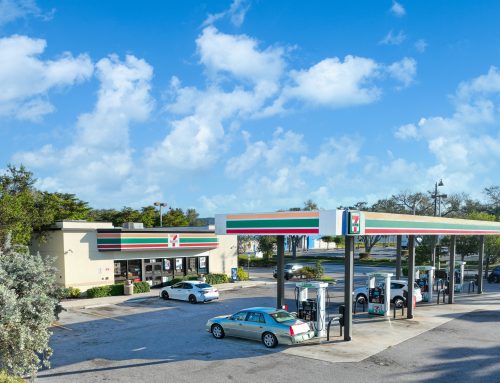
7-Eleven plans to close 645 convenience stores across North America during fiscal 2026, marking the fifth consecutive year the company will shutter more locations than it opens. The closures are a central part of a broader effort to streamline operations, improve margins, and reposition the portfolio ahead of a delayed IPO.
A key detail behind the headline number: not all 645 stores are full closures. A significant portion will be converted into wholesale fuel locations through a “dealerization” strategy. Under this model, 7-Eleven exits the day-to-day retail operations while continuing to generate revenue by supplying fuel to third-party operators—effectively reducing overhead while maintaining a presence at the site level.
The stores being targeted are primarily smaller, legacy locations that have struggled in the current environment. Declining cigarette sales and softer traffic—particularly among lower-income consumers—have weighed on performance, with foot traffic dropping roughly 7.3% in late 2024. These headwinds have made it increasingly difficult for older-format stores to remain competitive.
At the same time, 7-Eleven is shifting capital toward higher-performing assets. The company plans to open more than 200 new locations, focused on its larger “Evolution” and “New Standard” formats. These stores emphasize food and beverage offerings, including in-store restaurant concepts, premium coffee and drink platforms, and upgraded fresh food—areas that are driving stronger unit economics.
This transition is already showing results. New-format stores are generating approximately 45% higher sales than traditional locations, with increased spend per visit helping offset broader traffic declines.
The push to close and convert stores also comes amid mounting corporate pressure. Seven & i Holdings has delayed its North American IPO until at least 2027 and is navigating a $47 billion takeover bid from Circle K parent Alimentation Couche-Tard. In that context, the current restructuring reflects a clear objective: exit underperforming assets, reduce operating complexity, and double down on a more profitable, food-forward store base.
If you would like to discuss how this update may impact your acquisition or disposition strategy, please reach out to the Knipp Wolf Net Lease Group.
Leave A Comment